Spanda | Awake Inside the Dance
Most retreats invite you to rest, this one asks something more of you.
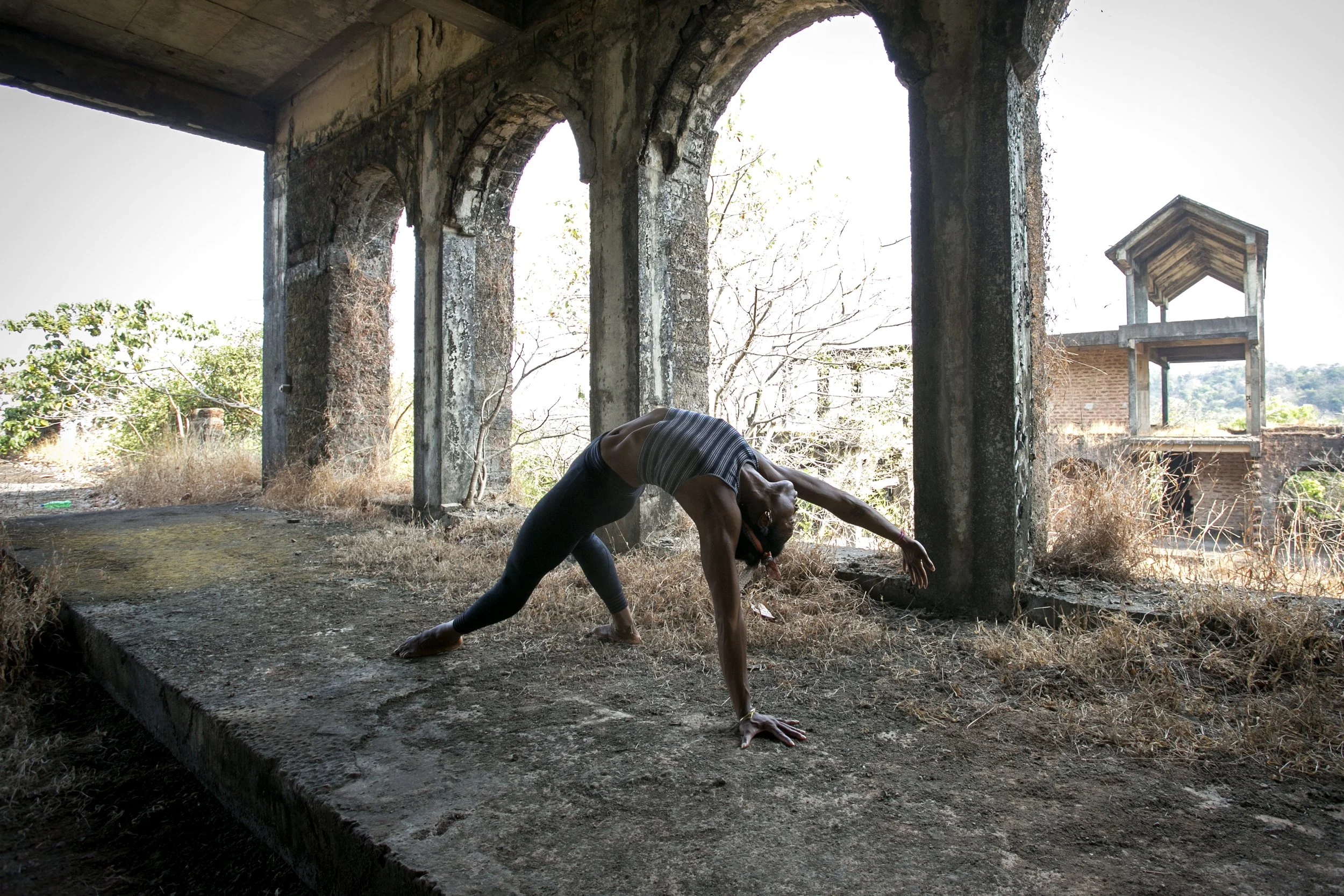
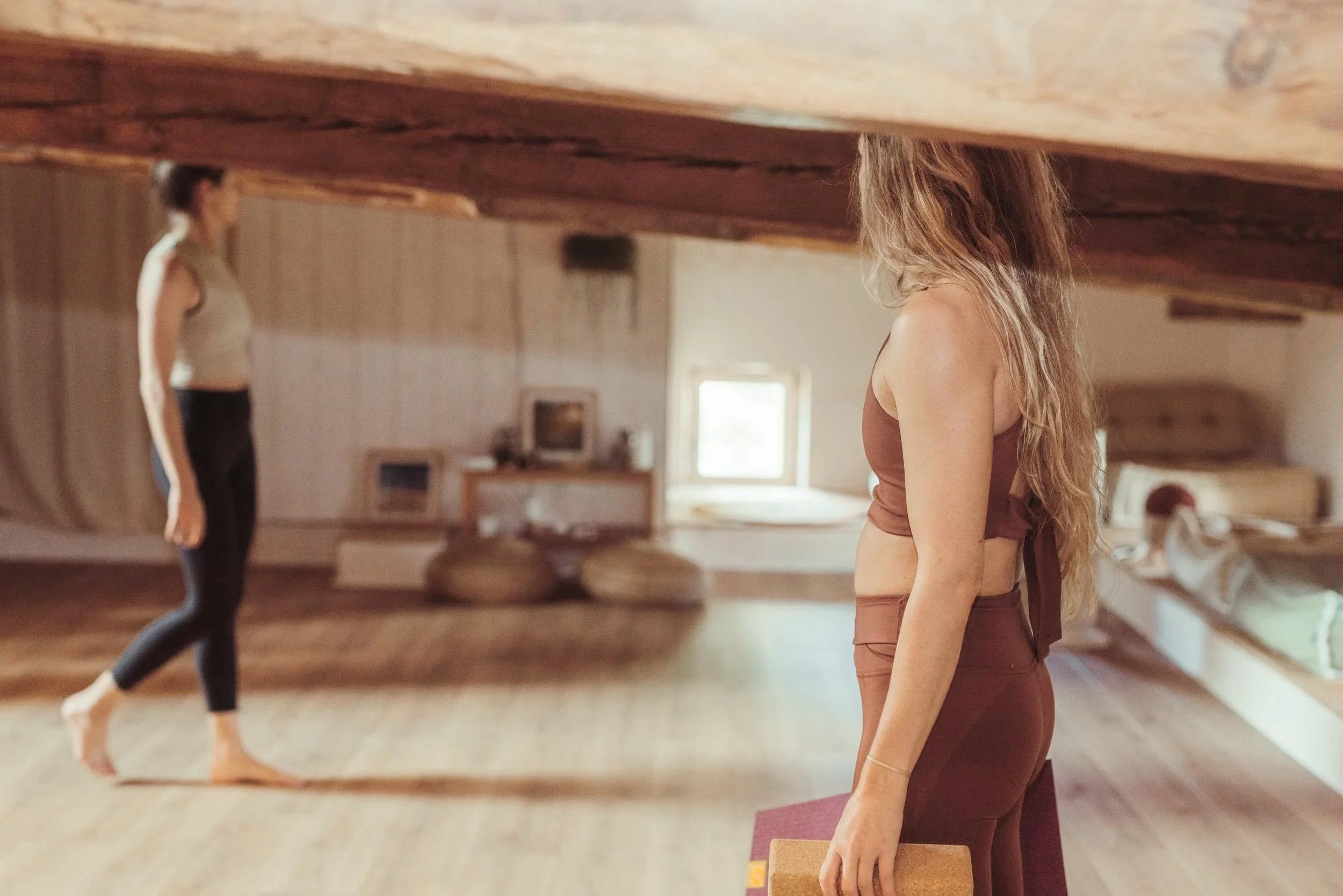
The Practice & Philosophy Intensive is for practitioners with a desire to go beyond the scope of what a classic retreat format offers. During this week in addition to morning classes and evening sunsets, you’ll be immersed in a richer exploration of yoga.
Whether you teach, have practice for years or are new on your journey, this immersion will support you in deepening your practice, refining your teaching skills, and serve as an insight into what it would be like to join a teacher training.
What we'll explore
Personal practice: Daily asana, pranayama, and meditation, with time to build a practice that is yours, one that you can continue to self practice once home.
Philosophy immersion: What is the mythological history of Sage Patañjali? What does the Gīta have to do with our modern life? What are the core teachings of the Upanishads? In our daily philosophy sessions we’ll be exploring these questions and more, so that your practice is further enriched through these insight.
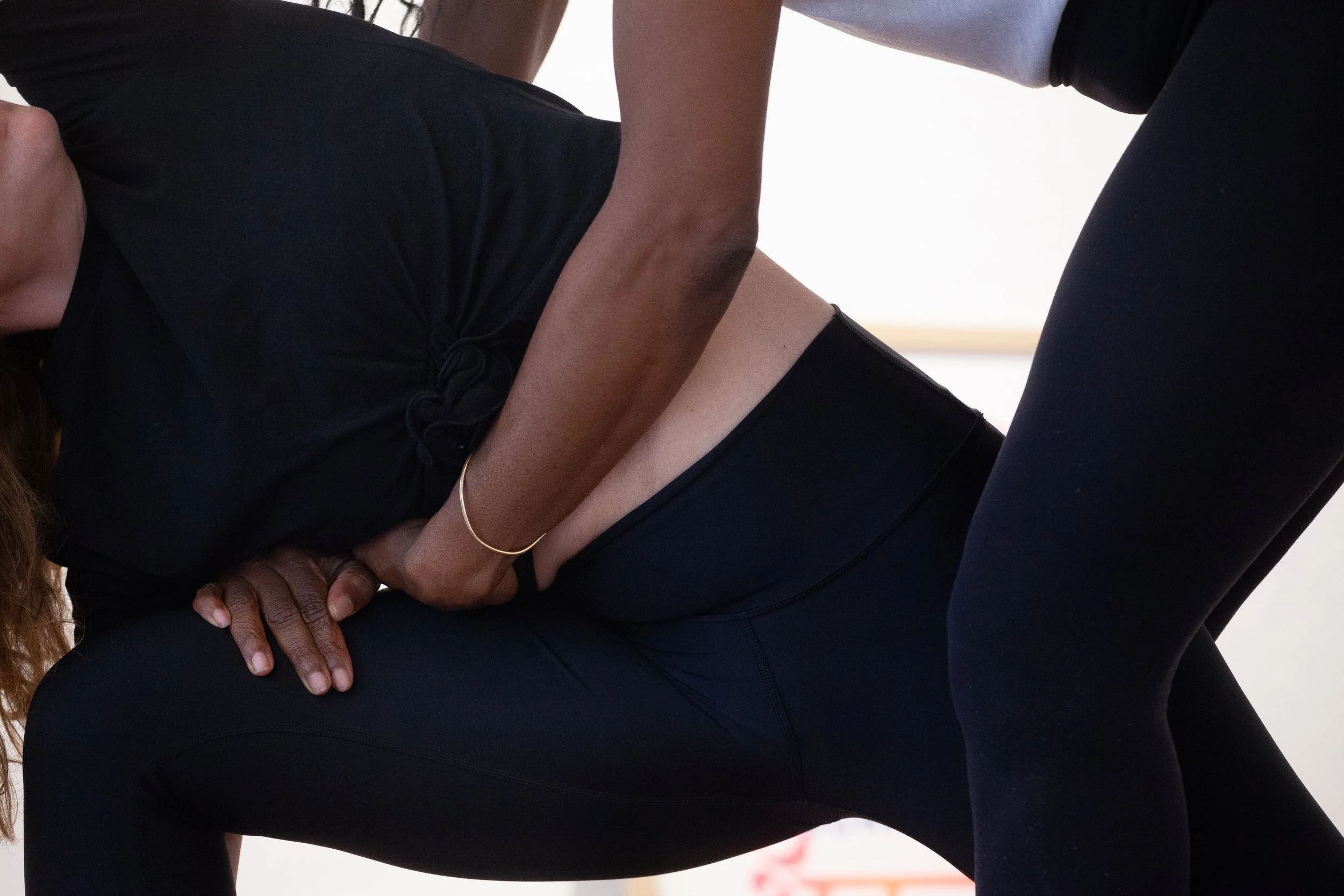
Teaching craft: Hands-on training in assists and sequencing. Discussion around how to design and hold a workshop. Plus an asana lab to better understand postures that currently allude you. Teachers will sharpen their skills, and students see what makes for an effective teacher.
5 day practice & philosophy intensive | 15-21 July 2027
Who this is for
Yoga teachers who want to refresh their teaching and add to their continuing education
Students with an interest in going beyond the classic retreat format
Anyone curious about teacher training who wants a taste before committing
What you'll leave with
A clearer, steadier personal yoga practice, a deeper understanding of the philosophy behind it, and practical skills you can use in your teaching or your own training.
No prior teaching experience required, only a sincere practice and a willingness to go deeper.
I recommend having at least one year of asana practice.
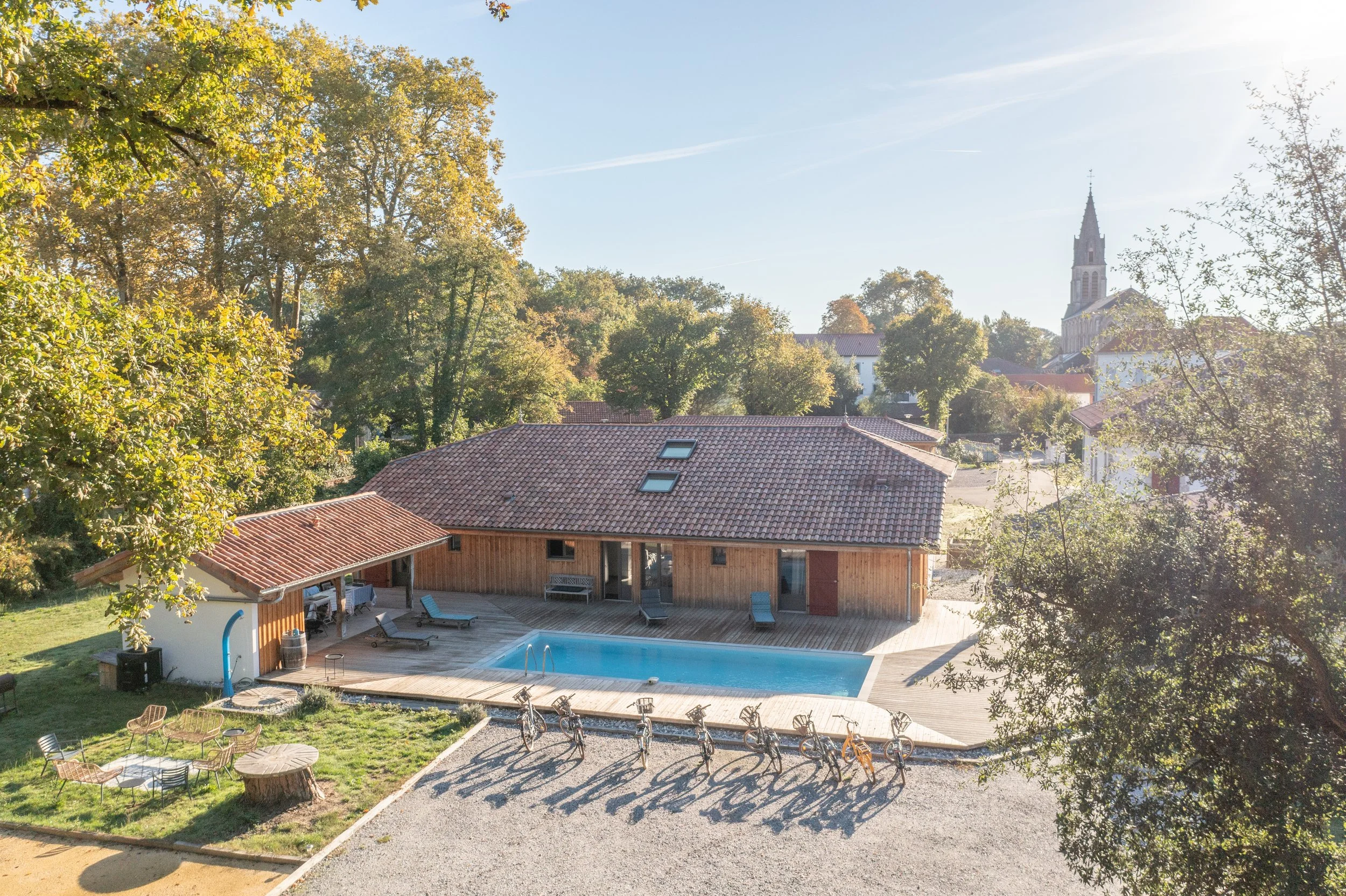
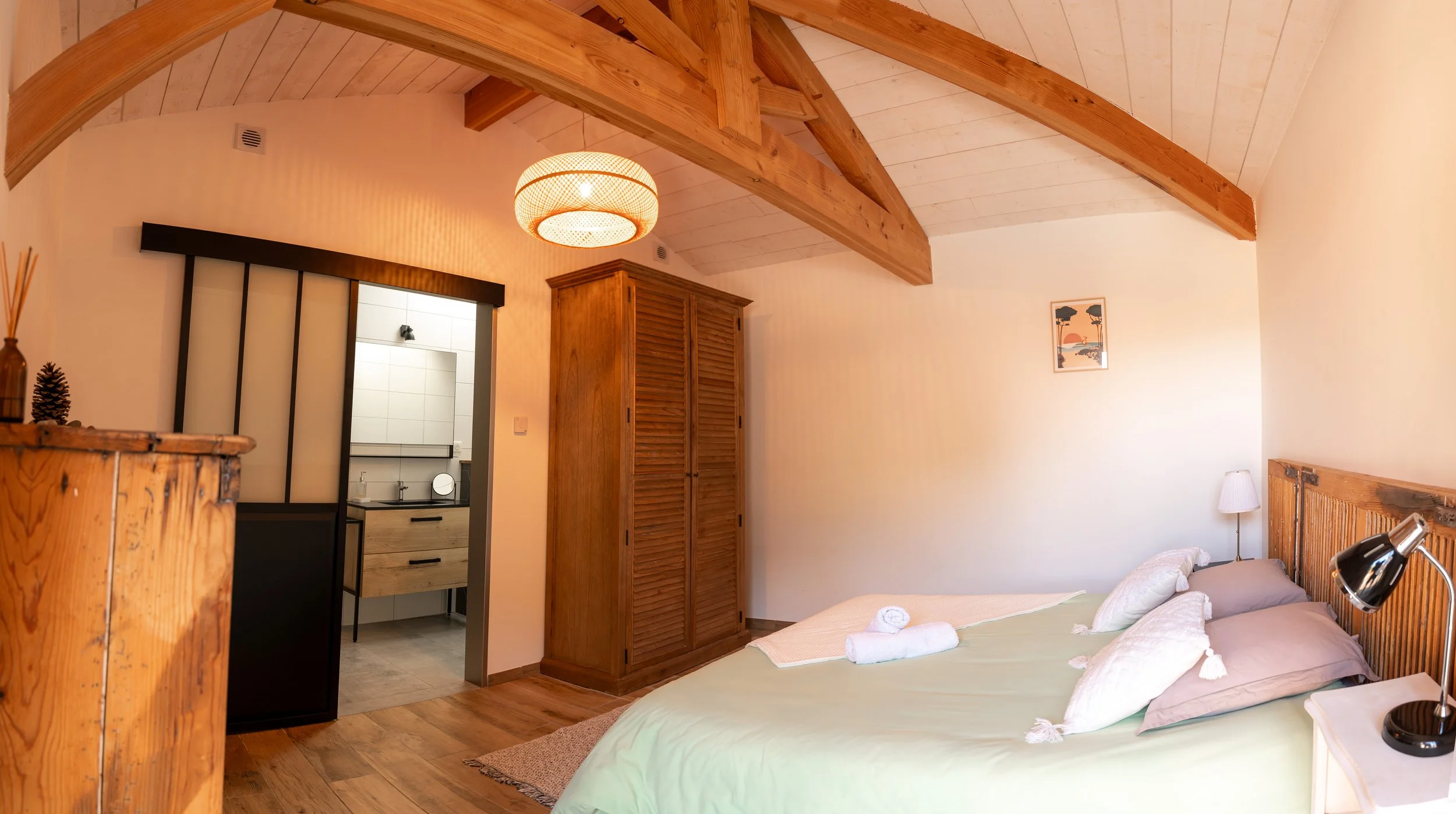
Nestled between the mountains and the sea, Casa Erica rests peacefully on the Andalusian coastline, just 45km away from Málaga. Enjoy the sun’s warmth as you take in panoramic views of both land and sea.
Leisure hours invite you to poolside relaxation, complemented by the choice to treat yourself to a rejuvenating massage or set out to explore the surroundings.
Pastel-hued sunsets paint the skies, while the Mediterranean landscape captures you with its tranquillity. Venture onto untouched, untamed beaches within walking distance, adding the gift of nature’s restoration to your experience.
Travel info
Group pick-ups and drop-offs will be organized on arrival day from Málaga Airport and Málaga city center between 15:00 and 20:30.
On departure day, we can drop you off at either the airport or the city center.
Very early transfers to the airport can also be arranged for the departure day at no extra charge.
€30 per person, each way.
Location
Schedule & Pricing

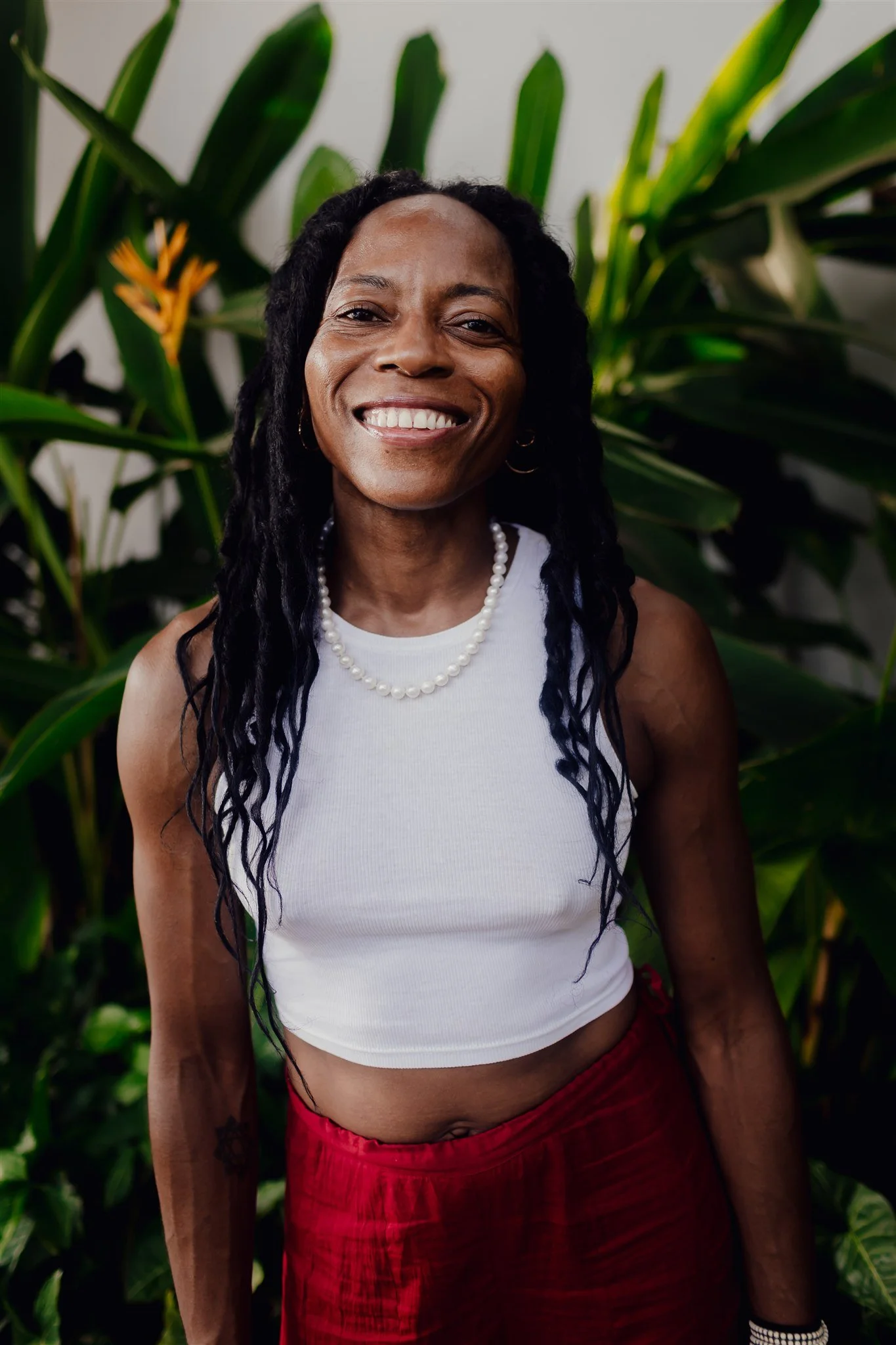
Rowena Johnson
Advanced Certified Jivamukti Teacher, Teacher Trainer & Mentor
Rowena is a devoted student of yoga, which for her means to be a student of life with its joy, love, and deep belly laughs. As well as its heartbreaks, losses and profound states of confusion.
With a personal practice of Ashtanga and Jivamukti, Rowena’s asana classes are strong, purposeful, interspersed with personal insights and uplifting music. Her teaching on yoga philosophy is focused on the genuine exploration of ancient wisdom, which guides us back to a deeper resonance with the inherent wisdom of our own spiritual heart.
Born and raised in London, Rowena is currently based in Berlin and teaches annually internationally on teacher trainings, workshops and retreats.
Frequently Asked Questions
-
This training, which is part 1 of a 100hrs, has been designed especially for teachers who are already teaching yoga. This means you’ve completed a 300hr training, or you have completed a 200hr training and have been teaching yoga on a weekly basis for at least 1 year.
This training will build on the knowledge acquired during a 300hr training (such as Jivamukti Yoga or any other advanced vinyasa training). It is a continued education programme that will sharpen your current skills as a yoga teacher, with a key focus being anatomy through a therapeutic lens, informed hands on assist, as well as tools for building and/or sustaining a personal self practice of meditation, pranayama, asana and mantra chanting
In Part 1 we dedicated 50hrs to hone in on the spine and nervous systems as our main field of study. Part 2 will expand from this nexus point, as we explore upper and lower body movements in relation to the spine and nervous system. The body is one harmonious system but in in order to make the training digestible we have split it into two parts. That being said, each part has been crafted to stand alone so, whilst it will be very beneficial, it is not mandatory top complete both trainings.
-
We’ve designed this training for yoga teachers, meaning you already have 500hrs of training under your belt or you’ve completed a 200hr vinyasa teacher training and are actively teaching asana classes.
We recognised that too few opportunities exist for yoga teachers who wish to continue their education but do not need another 200hr or 300hrs. Instead what is desired is a training that expands your knowledge and understanding around specific topics that you were not able to fully synthesis during your 200hr and 300hr trainings. This is by no means a fault of yours or of those trainings, the journey to becoming an experienced yoga teacher takes time, continuous curiosity, and a willingness to learn.
-
Self practice is where we meet ourselves honestly. We drop into our own rhythm, breath, and energetic capacity, and we learn how to adapt our practice each day with the ebb and flow of our lives. Even when practicing the same sequence it is possible to dial the intensity up or down, simply through the way in which we approach each asana. Self practice therefore gives us space to explore and it is through this exploration that inspiration arises for how and what we teach. But choosing a self practice is not simply about mining our practice for crazy new sequences and transitions, more than this it is about revisiting familiar shapes and learning what more there is to understand about the familiar. In this way our understanding and therefore our teaching quite naturally becomes richer. This is the embodied practice.
If you do not already have a regular self practice, don’t worry - we’ll be there to support you in creating one based on sequences that you already teach.
-
You leave this training with a shift from shape-based instruction to principle-based teaching. Instead of relying on fixed cues or ideal alignment models, you’ll gain the ability to observe more clearly, adapt more confidently, and respond to the person in front of you.
You can expect greater clarity around functional anatomy, load, and capacity — and how to translate these into practical choices in sequencing, cueing, and modification. Your teaching becomes more precise, more adaptable, and more sustainable.
You will also see change in pacing and presence: less pressure to “deliver,” more ability to guide, listen, and regulate the room.
We hope that you will be able to:
cue with more intention and less excess
modify with confidence rather than hesitation
design practices that support different bodies
trust your observation and decision-making
teach from embodied understanding, not memory
The result is teaching that is more responsive, grounded, and alive.
-
Olivier: My roots are grounded in classical yoga lineages, with strong early influence from traditional Ashtanga Yoga practice. That foundation gave me discipline, structure, breath-led movement, and deep respect for method.
Over time — through therapeutic training, functional anatomy, and clinical study — our understanding has expanded. Becoming a certified yoga therapist added another layer: the ability to adapt, individualise, and prioritise function and nervous system health over fixed form.
You will feel the influence of lineage in the training through:
breath centred movement
intelligent sequencing
consistency and clarity of method
respect for practice as a lifelong path
At the same time, the teaching is not dogmatic. We focus on extracting the essential principles rather than preserving rigid rules.
I could say my practice still carries an Ashtanga heart — just applied with a therapeutic and functional lens. Or, as I sometimes joke: the roots are Ashtanga… just don’t tell the Mysore room.
In the training, this translates into teaching that is structured but adaptable, principled but responsive, and grounded in tradition while open to evolution.
Rowena: I came to the practice of yoga through the Jivamukti Method. It was through this method that I became more aware of the philosophical roots of yoga. With my interested in yoga already stimulated I came upon Ashtanga Yoga Vinyasa, a method that changed my physical practice and worked deeply into my psyche, revealing layers of conditioning and patterns of tension both physically, emotionally and spiritually. Today my daily self practice is either Ashtanga Yoga or Black Lotus Yoga, a relatively new and dynamic series created by former Ashtanga Yoga teacher, Ty Landrum.
The way in which I teach Jivamukti Yoga is heavily influenced by insights from my self practice and you will experience this influence directly in the way in which I teach:
The tristhana method: breath, bandha and dristi
Rhythm, pace and sequencing
Energetics of prana and apana within each asana and how assists correspond to these energetics
The potency and clarity generated through mantra chanting
When we understand what underpins us we can move with confidence in any direction.
-
Mantra clears the mind and awakens the heart. It is essential to move beyond the technical and rediscover how to feel - there are few ways as powerful as mantra for this purpose.
-
The prāṇāyāma module focuses on sustainable, nervous-system–aware breath practices that teachers can safely integrate into both their personal practice and their classes. Rather than advanced ratios or long retentions, we emphasize regulation, clarity, and repeatability.
You will explore how breath influences posture, spinal support, and nervous system state, and how to select appropriate techniques depending on context, capacity, and intention.
We focus on:
functional breathing mechanics (diaphragm and rib movement)
breath and nervous system regulation
simple, effective daily prāṇāyāma sequences
safe teaching progressions
when to deepen — and when to keep it simple
If you are looking for the Olympics of prāṇāyāma, this is probably not the place.
If you are looking for simple, powerful breath practices that truly support the nervous system, you are in the right room.
The goal is steadiness, not spectacle.
-
Most 300-hour anatomy modules focus on structure, terminology, and regional study of muscles and joints. In this training, anatomy is taught as a living, applied discipline — directly linked to movement, self-practice, and real teaching situations.
Our Functional Anatomy & Intelligent Movement approach is focused on linking knowledge to practical application — so you can move and teach with greater safety, intention, and awareness. Rather than memorizing parts, we explore how anatomy shows up in real bodies through movement labs, variability, and therapeutic adaptation. We work through a therapeutic lens, exploring not only what may need strengthening or lengthening, but what builds capacity — the capacity to deepen when appropriate, and the capacity to back off when needed. That recognition is what creates intelligent movement.
Intelligent movement is always relational:
Do I feel supported enough to go further?
Am I connected to my breath?
Is my nervous system cooperating with the effort?
These questions become practical principles and tools that help you interpret what you see and support the practitioner in front of you, not an idealised model.
-
In this training, therapeutic does not mean clinical treatment or diagnosis. It means learning how to create practices that are supportive, adaptable, and grounded in how the body and nervous system actually function.
We focus on reducing unnecessary strain, supporting regulation, and meeting each practitioner where they are — rather than forcing ideal shapes or fixed methods.
Therapeutic yoga is often assumed to be only slow and gentle. While slower practices can be deeply supportive, we also explore how to progress and advance in asana in a therapeutic way — using the right tools, appropriate load, and intelligent sequencing. Strength, challenge, and growth are not excluded; they are applied with care and respect for the living body.
Therapeutic means appropriate, responsive, and kind — and it honours the miracle of being alive through sustainable practice.
-
The food provided will be nutritionally balanced, appetising for the eyes and stomach and mostly vegan with some vegetarian options available. There is no hidden agenda here, if you are not vegan you do not need to suddenly become one when you leave. We simply provide a menu that supports your practice across the 7 days we have together.
-
Downtime is intentionally built into the schedule as part of the learning and integration process. Between sessions, you’re invited to rest, reflect, and enjoy the natural setting of the venue.
You may choose to:
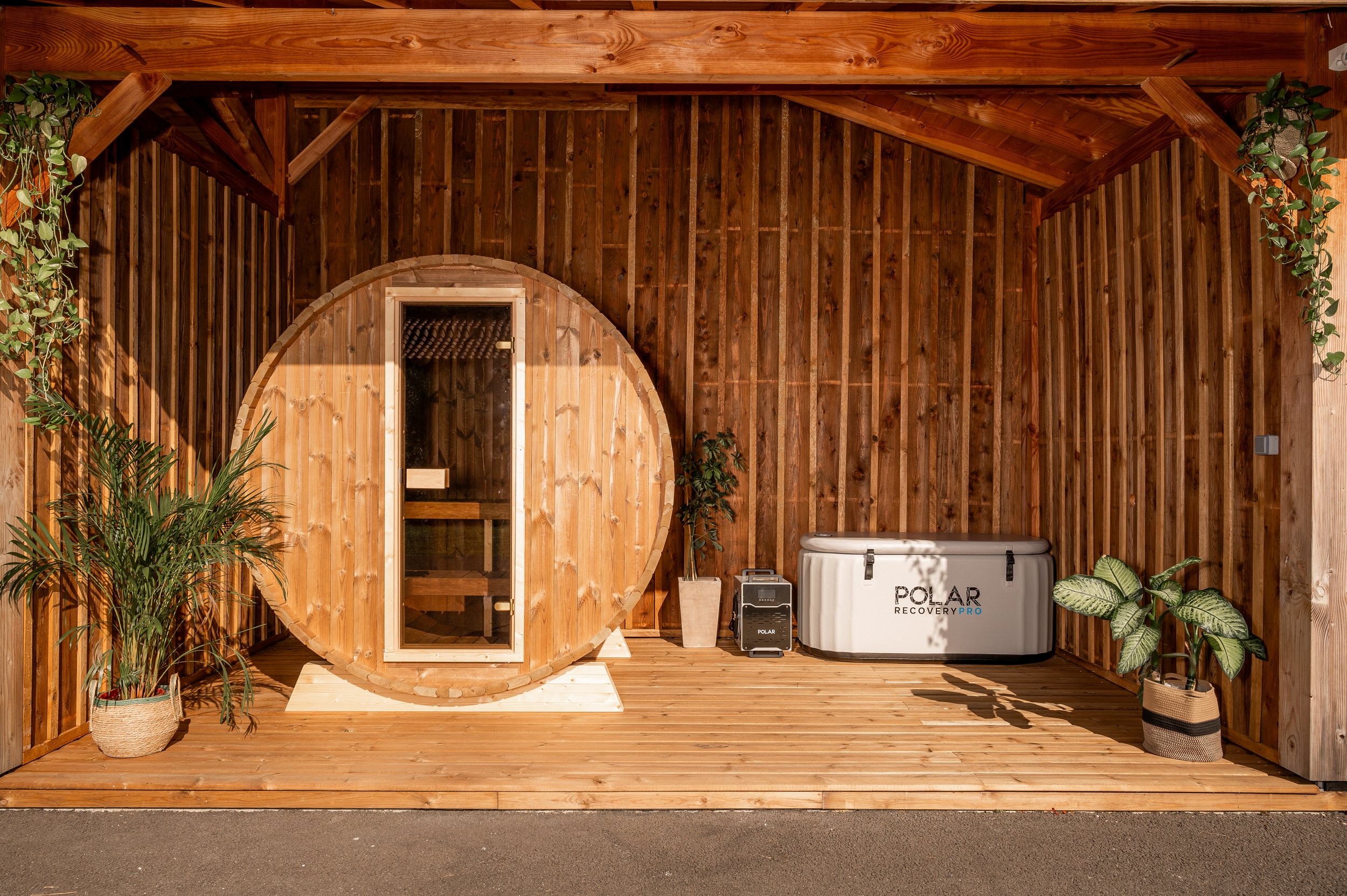
Relax in the sauna or cold plunge
Swim in the heated outdoor pool
Take quiet walks to the nearby lake
Journal, read, or simply rest
Enjoy unstructured, meaningful conversations with fellow teachers
Downtime is part of the learning — not separate from it.